When shopping for a new car, the figures quoted on a manufacturer’s brochure — fuel consumption, CO2 emissions, electric range — might seem straightforward. Yet behind those numbers lies a complex framework of testing standards that have changed significantly in recent years. Understanding how WLTP differs from its predecessor, the NEDC, is increasingly important for anyone buying, taxing, or running a vehicle in Europe today.
In short
- The WLTP replaced the outdated NEDC testing standard in Europe to provide more accurate and realistic fuel consumption and emissions data.
- Unlike the NEDC, the WLTP uses longer testing durations, higher average and maximum speeds, and a more balanced mix of urban and non-urban driving cycles.
- WLTP testing now accounts for the impact of optional vehicle equipment on weight and aerodynamics, ensuring figures are specific to the car’s actual configuration.
- The new standard provides significantly more reliable range and energy consumption estimates for electric and plug-in hybrid vehicles by testing both charged and depleted battery states.
- Higher CO2 values under WLTP can lead to increased ecological taxes and higher vehicle registration costs in various European markets.
- The rigorous homologation process required for every vehicle variant under WLTP can result in longer delivery lead times for new car orders.
Understanding the Evolution from NEDC to WLTP Testing Standards
The shift from one emissions testing regime to another did not happen overnight. For decades, European carmakers relied on the New European Driving Cycle, a laboratory-based protocol that had been in use since the 1970s. As concerns about air quality and climate change grew, it became clear that a more rigorous and globally applicable approach was needed. The Worldwide Harmonised Light Vehicles Test Procedure, universally known as WLTP, was introduced on 1 September 2017 as that replacement, becoming mandatory for all new cars across the European Union from September 2018.
The Limitations of the Legacy European Laboratory Test
The NEDC was never designed to mirror the varied and unpredictable nature of everyday motoring. Its laboratory simulation covered just 11 km over a 20-minute cycle, with an average speed of 34 km/h and a maximum speed of 120 km/h. Critically, vehicles were tested in a stripped-back configuration, meaning that optional equipment — a heavier alloy wheel, a panoramic roof, or an advanced audio system — had no influence on the recorded figure. The result was a single, somewhat optimistic number that bore little resemblance to what drivers actually experienced at the pump. Stop time accounted for as much as 24% of the total cycle, further skewing the results towards unrealistically economical driving patterns.
How the worldwide harmonised procedure reflects real driving conditions
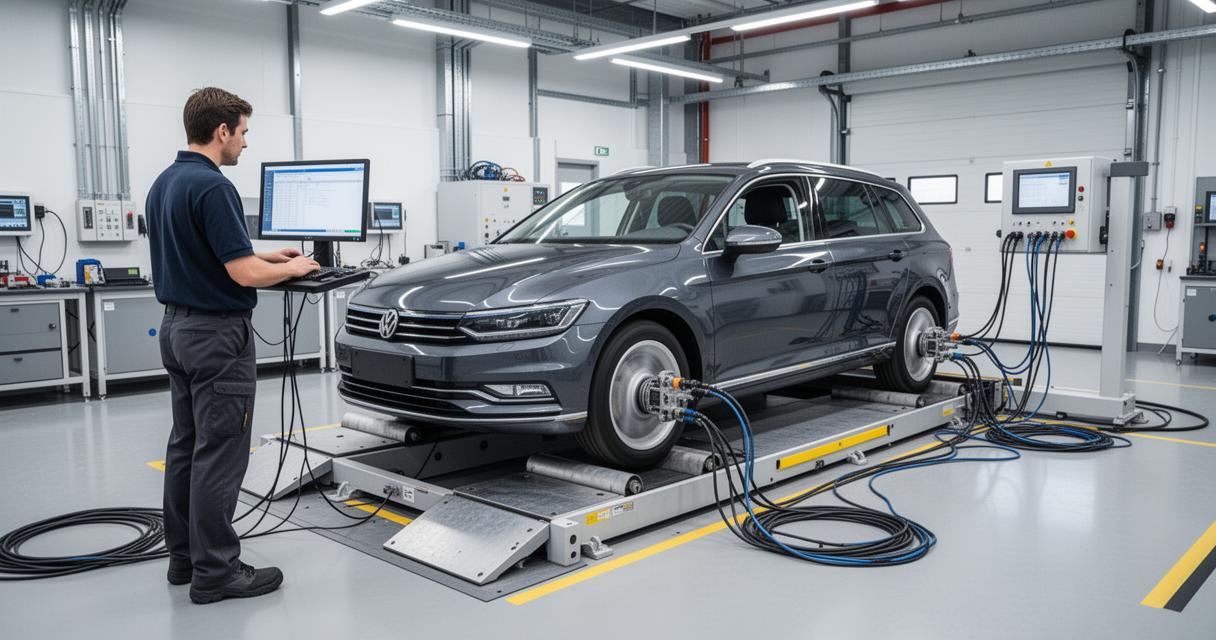
The WLTP cycle was built from the ground up to address these shortcomings. Tests now last 30 minutes, during which a vehicle travels 23 km — more than double the NEDC distance. The average speed rises to 47 km/h, with a maximum of 131 km/h, and stop time is reduced to just 13% of the total cycle. Perhaps most significantly, the split between urban and non-urban driving shifts from 66% urban under NEDC to a more balanced 52% urban and 48% suburban under WLTP. This broader range of driving cycles captures motorway cruising, brisk acceleration, and stop-start urban traffic in a single, comprehensive assessment. Additionally, vehicle options that affect weight and aerodynamics are now factored into the calculation, so the figure on the window sticker reflects your actual chosen configuration rather than a theoretical baseline model.
Key Differences in Measuring Fuel Consumption and Range
The practical upshot of this more demanding protocol is that WLTP figures tend to be less flattering than their NEDC equivalents, yet considerably more honest. For drivers of combustion engines, this means the quoted fuel consumption figure is closer to what the trip computer will confirm over a typical working week. For those driving electric or plug-in hybrid vehicles, the implications are equally significant.
Higher speeds and dynamic driving cycles explained
One of the most telling contrasts between the two standards lies in their respective speed profiles. The NEDC’s relatively gentle 120 km/h ceiling and modest average meant that motorway driving was barely represented. WLTP, by contrast, pushes vehicles to 131 km/h and incorporates a more dynamic acceleration and deceleration profile. This matters for fuel efficiency figures because a car that performs well in gentle urban testing may be far less economical when driven briskly on a dual carriageway. The new standard effectively closes that loophole, ensuring that vehicle emissions testing better reflects the spectrum of real-world journeys that most drivers undertake. The Euro 6 emissions standards currently in force work in conjunction with WLTP to set the regulatory framework for new vehicles across Europe.
The Impact on Electric Vehicle and Hybrid Distance Estimates
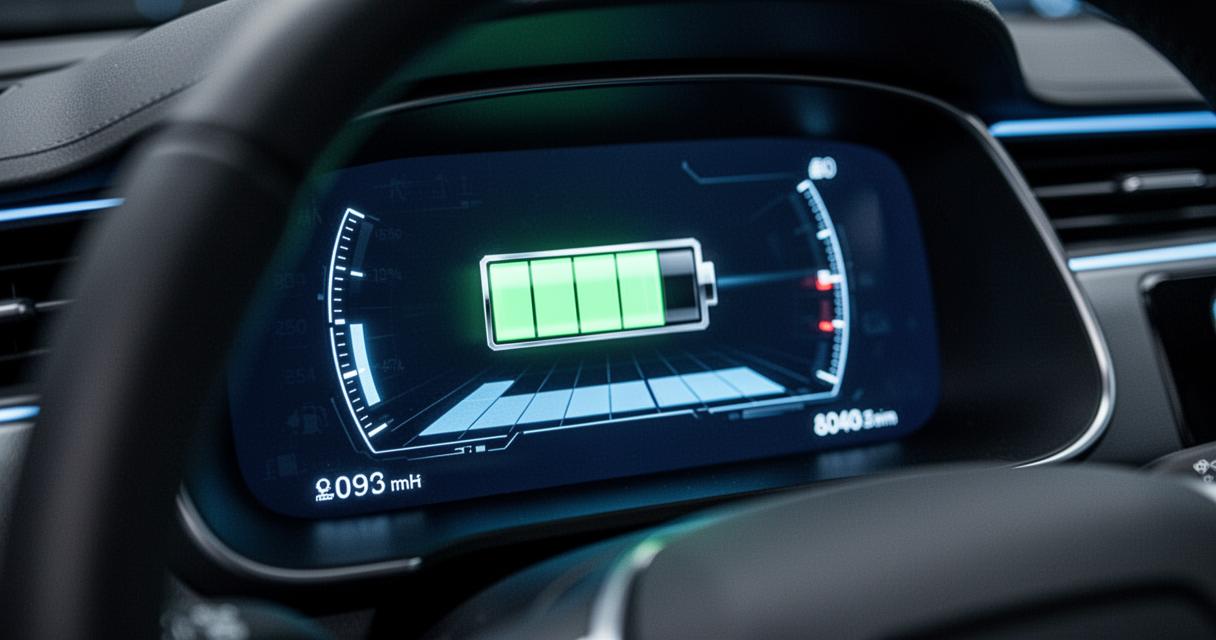
For electric vehicles and plug-in hybrids, WLTP delivers a dual benefit: more accurate range figures and, for the first time, a standardised method for expressing energy consumption. Under WLTP, electric vehicles receive both a range figure and an energy consumption figure, giving buyers a clearer picture of running costs. For plug-in hybrids, the standard requires that emissions be reported under two distinct conditions — with a normally charged battery and with a depleted battery — so that the worst-case scenario is always visible. This is a marked improvement over older testing, which could present an unrealistically favourable picture of a hybrid’s CO2 output by assuming perpetual access to a fully charged battery. Manufacturers across the European market now publish these figures for all new models, making comparisons between vehicles considerably more straightforward.
Practical Consequences for Vehicle Ownership and Taxes
The transition to WLTP is not purely an academic exercise in laboratory methodology. It has direct financial consequences for car buyers, company fleet managers, and automotive retailers alike, touching everything from purchase decisions to annual running costs.
How updated co2 figures affect ecological penalties and rates
Because WLTP typically produces higher CO2 emissions figures than NEDC, vehicles that previously sat in a favourable tax band may now fall into a higher bracket. In France, for example, the ecological penalty applied at the point of purchase is calculated using the vehicle’s official CO2 output, so a higher WLTP figure can translate directly into a larger upfront ecological penalty. The same logic applies to annual circulation taxes and company car benefit-in-kind calculations across various European markets. The CO2 classification system used on updated car labels rates vehicles from A, denoting zero emissions, through to G, for those emitting over 176 grams per kilometre, with only the emissions-per-kilometre figure taken into account. Labels must also show estimated CO2 costs projected over ten years, based on an annual mileage of 15,000 kilometres, giving consumers a tangible sense of the long-term environmental and financial picture. From February 2024, car labelling requirements in certain markets were updated to ensure that WLTP figures for energy consumption and CO2 classification appear clearly, including when vehicles are configured and sold online.
Navigating delivery delays and official vehicle approvals
The administrative demands of WLTP compliance have also introduced practical challenges for the supply chain. Every new vehicle variant — including those differing only in optional equipment — must now receive its own approval under the updated procedure. This has in some cases contributed to delivery lead times extending by several weeks, as manufacturers work through the homologation process for each unique configuration. Professionals in the automotive sector, from dealers to fleet operators, have had to adapt their ordering and planning processes accordingly. Real Driving Emissions testing, which measures pollutant emissions including particulates and nitrogen dioxide directly on the road rather than in a laboratory, became compulsory alongside WLTP and adds a further layer of scrutiny to the approval process. Together, these measures represent the most significant overhaul of automotive regulations in Europe for a generation, designed to ensure that the figures consumers see — whether on a forecourt label or an online configurator — are figures they can genuinely trust.