The world of photography reaches new heights when one pairs a Leica camera with the ideal lens, creating a synergy that transforms vision into reality. For decades, Leica has stood as a beacon of excellence, offering photographers not merely tools but instruments of artistic expression. Understanding how to select the right combination of body and glass requires insight into both technical specifications and creative ambition, ensuring that every frame captured reflects the photographer's unique perspective.
Understanding leica's precision engineering and lens mount systems
The heritage of leica's optical excellence
Leica cameras have earned their legendary status through an unwavering commitment to precision engineering and optical purity. Since the early twentieth century, the brand has refined its craft, producing instruments that professional photographers trust implicitly. The meticulous attention to detail in every lens element, the hand-assembled mechanisms, and the rigorous quality control processes distinguish Leica from its competitors. Each camera embodies a tradition of craftsmanship that values longevity and performance, ensuring that images rendered through Leica glass possess a distinctive character marked by clarity, contrast, and colour fidelity. This heritage informs every decision a photographer makes when selecting equipment, as the brand's reputation rests not on marketing alone but on tangible results visible in every photograph.
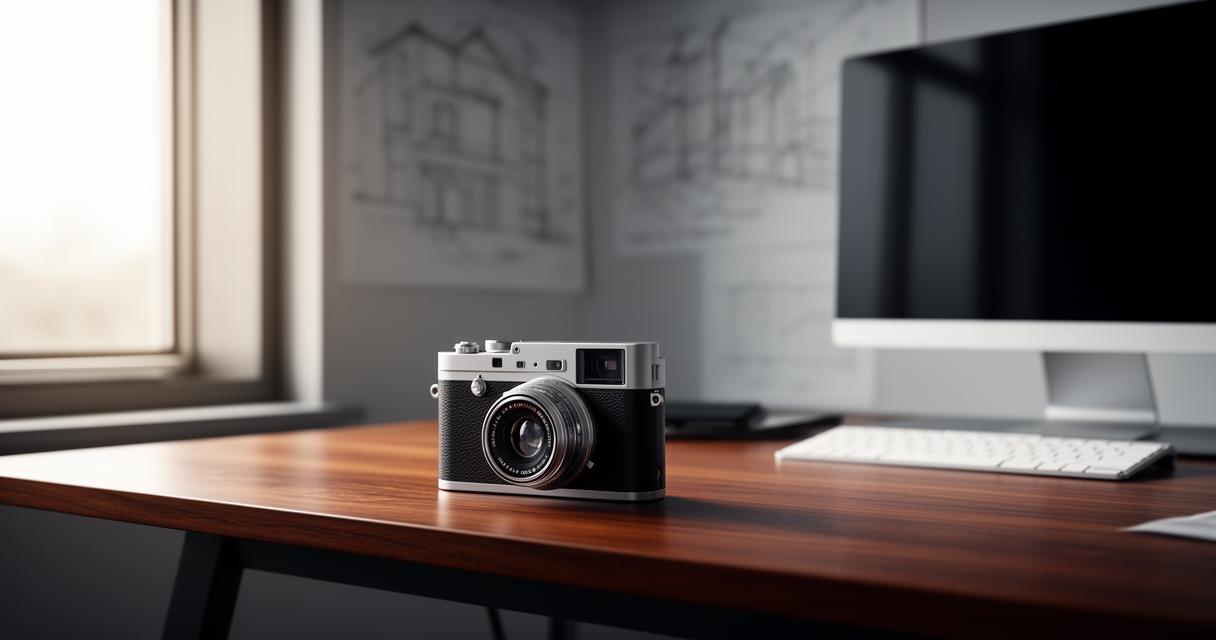
The classic designs that define Leica equipment speak to both form and function, marrying aesthetic elegance with ergonomic precision. Photographers who choose Leica often appreciate the tactile experience of handling these cameras, where every dial and control feels deliberate and purposeful. This philosophy extends to the lenses, which are engineered to complement the camera bodies seamlessly. The interchangeable lens system allows photographers to adapt their equipment to diverse shooting scenarios, from intimate portraiture to expansive landscapes, without compromising on the optical standards that Leica upholds.
M-mount versus l-mount: selecting your optical foundation
Understanding the distinction between Leica's M-Mount and L-Mount systems forms the cornerstone of any purchasing decision. The M-Mount system represents the brand's rangefinder heritage, offering a compact and discreet platform ideal for street photography and documentary work. Lenses designed for this mount are typically smaller and lighter, allowing photographers to move through environments with minimal intrusion. The rangefinder focusing mechanism demands a different approach to composition, rewarding those who master its nuances with unparalleled control over depth of field and framing.
Conversely, the L-Mount system aligns with contemporary autofocus technology and electronic viewfinders, catering to photographers who require versatility and speed in their workflow. This mount accommodates a broader range of lens designs, including telephoto and zoom options that suit professional applications where adaptability is paramount. The L-Mount alliance with other manufacturers also expands the ecosystem, providing photographers with access to a diverse array of optics while maintaining Leica's exacting standards. Choosing between these systems hinges on your preferred shooting style, the subjects you photograph, and whether you value the meditative pace of manual focusing or the efficiency of automated systems.
Matching leica lenses to your photographic vision
Prime Lenses for Portrait and Street Photography
Prime lenses represent the soul of Leica's lens catalogue, offering fixed focal lengths that encourage photographers to engage more intimately with their subjects. For portrait work, lenses such as the fifty millimetre and seventy-five millimetre options deliver flattering perspectives and creamy bokeh that isolates subjects from distracting backgrounds. The sharpness and micro-contrast inherent in Leica glass render skin tones with remarkable subtlety, capturing the essence of a person rather than merely their likeness. These lenses reward careful composition and deliberate framing, fostering a connection between photographer and subject that transcends the mechanical act of image capture.
Street photography thrives on the discreet nature of Leica's prime lenses, particularly the thirty-five millimetre focal length, which offers a field of view closely resembling human vision. This lens allows photographers to document candid moments without drawing attention, blending into the urban landscape while capturing slices of life as they unfold. The fast apertures available in many Leica primes enable shooting in challenging lighting conditions, preserving the authenticity of the moment without relying on artificial illumination. The optical quality ensures that even when enlarged, images retain the fine detail and tonal gradation that define professional-grade photography.
Zoom options for versatile professional applications
While prime lenses dominate discussions of Leica optics, the brand's zoom offerings provide professionals with the flexibility required for dynamic shooting environments. Modern zoom lenses from Leica maintain the optical integrity traditionally associated only with primes, achieving sharpness across the focal range that satisfies the most discerning photographers. These lenses prove invaluable in situations where changing lenses frequently is impractical, such as event photography or travel assignments where carrying multiple bodies is burdensome.
The engineering challenges inherent in designing zoom lenses that meet Leica's standards are considerable, yet the results justify the investment. Professional applications often demand rapid adaptation to changing conditions, and a high-quality zoom lens allows photographers to reframe compositions swiftly without compromising image quality. The weight and size of these lenses reflect the complexity of their construction, but for those whose work requires versatility above all else, the trade-off proves worthwhile. Pairing a zoom lens with a Leica camera body creates a combination capable of handling assignments ranging from corporate events to editorial features, all while delivering images with the signature Leica look.
Optimising your leica camera and lens investment
Balancing budget with professional quality requirements
Investing in Leica equipment represents a significant financial commitment, one that demands careful consideration of both immediate needs and long-term goals. The brand's reputation for quality comes at a premium, but this cost reflects not only optical excellence but also durability and resale value. Photographers must assess their current requirements honestly, determining which lenses will serve the majority of their work before expanding their collection. Starting with a single versatile lens allows photographers to master their craft without the distraction of too many options, building confidence and understanding of their own visual language.
Budget constraints need not preclude entry into the Leica ecosystem, as the used market offers opportunities to acquire older lens models that remain optically superb despite their age. Many Leica lenses manufactured decades ago continue to deliver results indistinguishable from contemporary offerings, their mechanical construction ensuring longevity that electronic components cannot match. Prioritising lenses over camera bodies often proves wise, as exceptional glass can elevate images captured on even modest camera bodies, whereas mediocre lenses limit the potential of the finest cameras. This approach allows photographers to allocate resources strategically, investing in the elements that most directly influence image quality.
Building a comprehensive lens collection over time
Developing a lens collection should follow a deliberate path informed by evolving photographic interests and expanding professional opportunities. Beginning with a single focal length that aligns with your primary subject matter establishes a foundation upon which to build. As your skills develop and your visual style matures, additional lenses can be acquired to address specific creative challenges or broaden the range of assignments you can undertake. This incremental approach prevents overwhelming choices and allows each new lens to be thoroughly explored and integrated into your workflow before adding another.
The interchangeable lens system that Leica cameras feature enables photographers to adapt their equipment to changing needs without replacing the entire setup. This modularity represents one of the system's greatest strengths, offering longevity that justifies the initial investment. Over time, a thoughtfully curated collection emerges, each lens serving a distinct purpose and contributing to a cohesive body of work. Photographers who take this measured approach often find that their equipment becomes an extension of their creative vision, with each lens chosen not for its specifications alone but for the unique qualities it brings to the storytelling process. The journey of building this collection mirrors the photographer's own growth, documenting their artistic evolution through the tools they select.