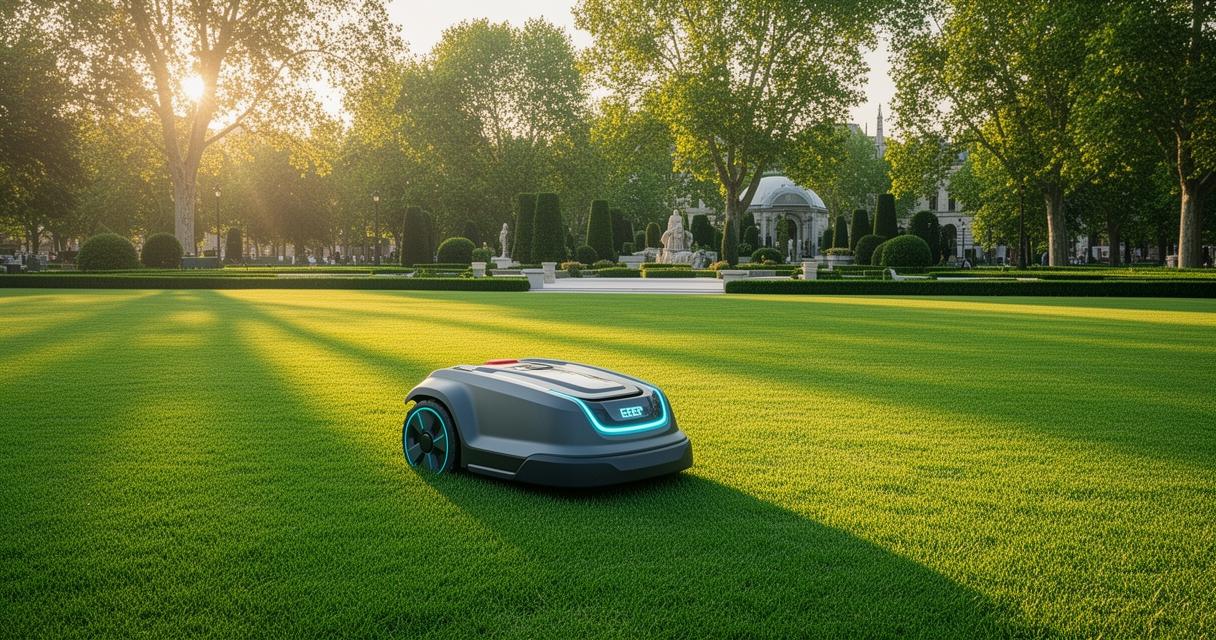
As parks and expansive gardens demand more attention and precision, many managers and homeowners are turning to innovative solutions to maintain their green spaces. Robotic lawn mowers have surged in popularity, offering a blend of efficiency, autonomy, and environmental friendliness. These battery-powered devices are designed to handle diverse terrain, varying lawn heights, and expansive widths, all while requiring minimal human oversight. Understanding the full financial picture, from the initial outlay to ongoing annual costs, is essential for anyone considering this modern approach to lawn care.
Understanding the Initial Investment: Purchase Price and Battery Considerations
The decision to invest in a robotic lawn mower begins with understanding the purchase price, which varies widely depending on the model and its capabilities. Basic units suitable for smaller lawns typically range from seven hundred to one thousand pounds, making them accessible for first-time buyers or those managing modest-sized areas. Mid-range models, which offer enhanced features such as improved navigation systems and smart connectivity, fall between one thousand and two thousand five hundred pounds. These are particularly well-suited for gardens measuring between one thousand and three thousand square metres, where more sophisticated technology can optimise performance and coverage.
For parks and larger estates exceeding three thousand square metres, premium and commercial-grade robotic mowers become the practical choice. Premium models are priced from three thousand to five thousand pounds and are designed to navigate complex properties with multiple zones, slopes, and obstacles. Commercial-grade units, intended for professional landscaping and extensive public spaces, can command prices ranging from five thousand to as much as forty-five thousand pounds. These top-tier machines boast robust build quality, extended battery life, and advanced navigation systems, including GPS-based technology and AI vision capabilities.
Factors Influencing the Price of Robotic Lawn Mowers for Large Spaces
Several factors contribute to the wide spectrum of prices within the robotic lawn mower market. Lawn size is the most obvious determinant, as larger areas necessitate more powerful motors, bigger batteries, and enhanced navigation systems to ensure complete and efficient coverage. The type of navigation system employed also plays a significant role. AI vision-based systems, which rely on cameras and sensors to map the environment, tend to involve more sophisticated software and hardware, potentially raising the cost. GPS-based systems, while offering precise positioning and zone management, may also add to the overall expense due to the need for satellite connectivity and real-time mapping.
Battery technology is another critical factor. High-capacity lithium-ion batteries, which enable longer runtime and shorter charging intervals, are more expensive but essential for managing extensive gardens without frequent interruptions. Brand reputation and the inclusion of smart features such as app control, weather sensors, and programmable schedules further influence pricing. Established brands like Husqvarna with their renowned Automower series and other reputable manufacturers often command a premium due to their proven reliability, comprehensive warranties, and robust customer support networks.
Battery Capacity and Longevity: What You Need to Know Before Buying
Battery capacity and longevity are pivotal considerations when selecting a robotic lawn mower for a large garden or park. The battery dictates not only how long the mower can operate between charges but also its ability to manage challenging terrain and extended mowing sessions. Most modern robotic mowers are equipped with lithium-ion batteries, which offer a good balance between weight, capacity, and lifespan. Typically, these batteries last between three and five years under normal usage conditions, after which they require replacement at a cost ranging from one hundred to three hundred pounds.
The size of the lawn and the complexity of the terrain directly impact battery demands. Mowers designed for large areas often feature batteries with higher capacities, enabling them to cover several thousand square metres on a single charge. Additionally, many models are equipped with energy-efficient algorithms that optimise mowing patterns and reduce unnecessary movement, thereby conserving battery life and minimising the frequency of recharges. Prospective buyers should also consider the availability and cost of replacement batteries, as well as the manufacturer's support for battery recycling and environmental stewardship. Understanding these elements ensures that the mower remains a cost-effective and sustainable solution over its entire operational lifespan.
Installation Costs and Essential Setup Requirements for Parks and Gardens
Once a robotic lawn mower has been selected, the next critical step is proper installation. Unlike traditional mowers that simply require fuel and a pull-start, robotic mowers depend on a carefully planned setup to deliver optimal performance. This installation process can significantly influence both the upfront costs and the long-term effectiveness of the device. For parks and large gardens, where the terrain may be more complex and the mowing area more extensive, thoughtful planning and execution of the installation are paramount.
Peripheral wire installation: why it's crucial for optimal performance
A cornerstone of most robotic lawn mower systems is the peripheral wire, also known as the boundary wire. This wire defines the mowing area and guides the robot along predetermined paths, ensuring complete coverage while avoiding obstacles such as flower beds, ponds, and walkways. For large gardens and parks, installing this wire requires careful measurement and strategic placement. The wire is typically laid around the perimeter of the lawn and can also be used to create internal zones or guide the mower through narrow passages.
The peripheral wire is essential for models that do not rely solely on AI vision or advanced GPS mapping. It provides a physical reference point, allowing the mower to understand where it should and should not go. Installation involves securing the wire to the ground using stakes, either above or just below the grass surface, where it will gradually become hidden by growing turf. Proper installation ensures that the mower operates efficiently, minimises the risk of the device straying into unintended areas, and reduces the likelihood of damage to both the mower and the garden's landscaping features.
Professional Installation Versus DIY: Weighing the Costs and Benefits
When it comes to installing a robotic lawn mower, property managers and homeowners face a choice between undertaking the installation themselves or hiring professional services. Self-installation is often feasible for smaller, simpler lawns and can save on labour costs. Many manufacturers provide detailed instructions, online tutorials, and support hotlines to assist with the process. For straightforward layouts, the do-it-yourself approach can be both rewarding and economical.
However, for parks and large gardens with complex topography, multiple zones, or significant obstacles, professional installation is often advisable. Experts bring experience and specialised tools to ensure that the peripheral wire is laid out optimally, that charging stations are positioned conveniently, and that the mower's navigation system is calibrated correctly. Professional services typically charge based on the size and complexity of the property, with costs varying but generally representing a worthwhile investment for ensuring trouble-free operation from the outset. Additionally, professional installers can provide valuable advice on maintenance schedules, optimal mowing patterns, and troubleshooting common issues. Weighing the upfront cost of professional installation against the potential for long-term performance gains and reduced risk of errors is an important consideration for anyone managing extensive green spaces.
Annual running expenses: maintenance, electricity, and replacement parts
Beyond the initial purchase and installation, robotic lawn mowers incur annual running expenses that must be factored into the total cost of ownership. These costs are generally modest compared to traditional mowing methods, but understanding them is crucial for budgeting and planning. The main categories of ongoing expenses include routine maintenance, energy consumption, and the periodic replacement of parts such as blades and batteries.
Ongoing maintenance costs and servicing your robotic mower
Regular maintenance is essential to keep a robotic lawn mower operating smoothly and efficiently. One of the most frequent maintenance tasks is blade replacement. The cutting blades on robotic mowers are typically smaller and more delicate than those on traditional mowers, designed to make frequent, light cuts that promote healthier grass. These blades wear down over time and generally need to be replaced every two to three months, depending on the size of the lawn and the frequency of use. A new set of blades costs between fifteen and thirty pounds, making this a relatively minor but recurring expense.
In addition to blade replacement, robotic mowers benefit from periodic cleaning and inspection. Grass clippings, dirt, and debris can accumulate in the mower's chassis, around the wheels, and on the sensors. Regular cleaning, often as simple as wiping down the exterior and clearing the cutting deck, helps maintain optimal performance and prevents mechanical issues. Some owners opt for professional servicing annually or biannually, which can include a thorough inspection, software updates, and calibration of navigation systems. Professional servicing fees vary but are generally modest, adding another layer of assurance that the mower will continue to perform reliably throughout the mowing season.
Energy consumption and long-term battery replacement expenses
One of the most appealing aspects of robotic lawn mowers is their low energy consumption. Operating on electricity rather than petrol, these mowers are both environmentally friendly and economical to run. Annual electricity costs for a robotic mower are remarkably low, typically ranging from fifteen to twenty pounds per year. This is a stark contrast to the fuel, oil, and filter expenses associated with traditional gas-powered mowers, which can accumulate to nearly two thousand pounds over a five-year period. The energy efficiency of robotic mowers is a significant long-term advantage, particularly for large properties where traditional mowing would otherwise consume substantial quantities of fuel.
However, battery replacement is an important long-term cost to consider. As mentioned earlier, the main battery in a robotic mower typically lasts between three and five years before it needs to be replaced. The cost of a replacement battery ranges from one hundred to three hundred pounds, depending on the model and capacity. While this is a notable expense, it is a one-time cost every few years rather than an ongoing drain on resources. When spread over the lifespan of the mower, which can extend from five to eight years, the annualised cost of battery replacement remains reasonable. Additionally, advancements in battery technology continue to improve both longevity and performance, meaning that future models may offer even better value over time. Taking these factors into account, the annual running expenses of a robotic lawn mower are considerably lower than those of traditional mowing methods, reinforcing their appeal as a cost-effective and sustainable solution for maintaining parks and large gardens.