
The transition towards high-speed digital connectivity has become a defining feature of contemporary urban and rural landscapes, with robust infrastructure forming the very foundation of this transformation. Among the various components that underpin modern telecommunications, the fibre optic cabinet stands out as a pivotal element, enabling the seamless delivery of rapid internet services to homes and businesses alike. These unassuming structures, often seen along pavements and in residential zones, play an indispensable role in bridging the gap between large-scale network infrastructure and individual premises, ensuring that cutting-edge broadband technology reaches every corner of the nation.
Understanding the Role of Fibre Optic Cabinets in Modern Telecommunications
Fibre optic cabinets function as critical nodes within the broader telecommunications network, serving as protective hubs that organise and house fibre optic cables with precision and care. Their primary purpose is to extend connectivity from the main network backbone to local areas, effectively acting as intermediaries that facilitate the distribution of high-speed internet. By reducing the reliance on lengthy copper connections, these cabinets significantly minimise signal degradation, thereby ensuring that data transmission remains swift and reliable. The strategic positioning of these cabinets allows operators to optimise the reach of their networks, extending connectivity to wider areas whilst maintaining the integrity of the signal. This careful orchestration of placement and design underscores the importance of fibre optic cabinets in supporting advanced technologies such as fifth-generation wireless networks, the Internet of Things, and smart city initiatives that demand robust and dependable connectivity.
The Fundamental Structure and Components of Fibre Optic Cabinets
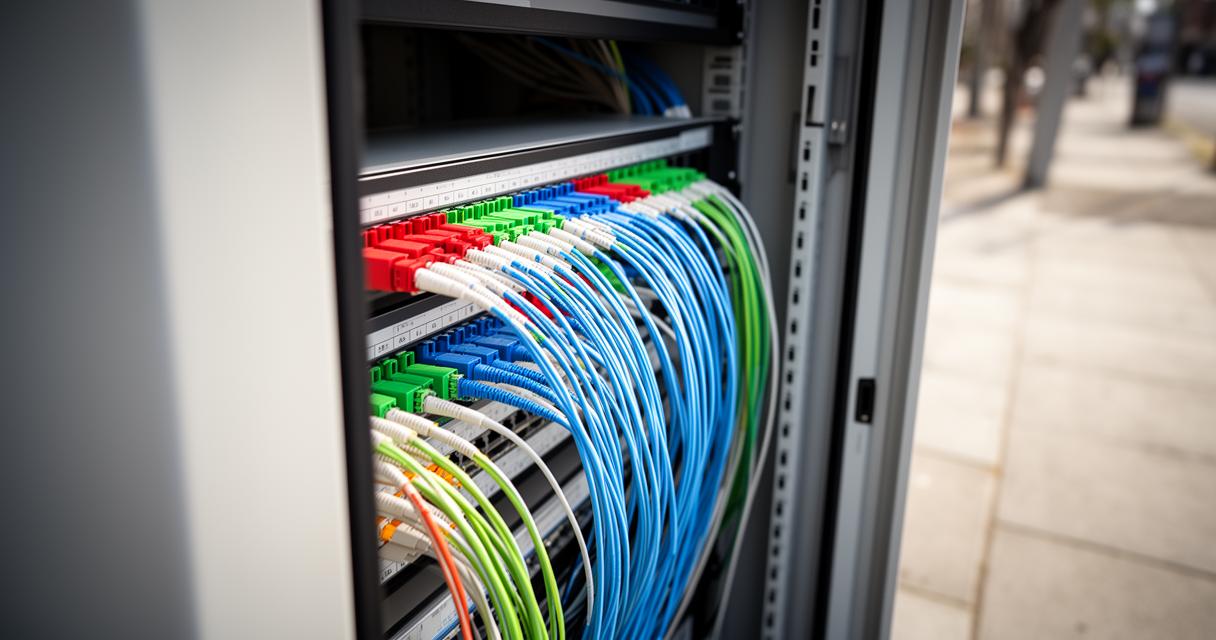
At the heart of each fibre optic cabinet lies a meticulously designed structure composed of durable materials engineered to withstand harsh weather conditions and temperature fluctuations. These cabinets are constructed to protect delicate fibre optic cables from environmental hazards, vandalism, and other potential disruptions that could compromise network performance. Within these protective enclosures, essential equipment such as terminal sockets and cable management systems are carefully arranged to facilitate efficient organisation and maintenance. The cabinets are equipped with advanced monitoring systems that enable real-time performance tracking, allowing network operators to swiftly identify and address any issues that may arise. This centralised point for network management simplifies maintenance and troubleshooting, ensuring that any faults are promptly resolved with minimal disruption to service. The robust construction and thoughtful design of fibre optic cabinets not only safeguard the infrastructure but also ensure that the network remains scalable and adaptable to future technological advancements.
How fibre cabinets facilitate high-speed broadband delivery
The deployment of fibre optic cabinets has revolutionised the way broadband services are delivered, particularly through the implementation of Fibre to the Home technology. This approach utilises fibre optic cables to provide high-speed internet directly to residential properties, offering significantly faster speeds and greater reliability than traditional copper networks. The cabinets serve as the crucial link between the main fibre network and individual homes, enabling the seamless transmission of data at speeds that support bandwidth-intensive applications such as video conferencing and online gaming. By shortening the distance between the cabinet and the end user, operators can ensure that signal loss is minimised and that customers enjoy consistently high performance. The United Kingdom has witnessed remarkable growth in this sector, with the market for Fibre to the Home expanding rapidly, reflecting a national commitment to achieving full-fibre broadband coverage. Over half of UK premises now have access to this superior form of connectivity, a testament to the effectiveness of fibre optic cabinets in facilitating widespread deployment.
Strategic Deployment and Network Architecture of Fibre Infrastructure
The successful rollout of fibre optic networks hinges on the strategic deployment of cabinets across diverse geographical landscapes, from densely populated urban centres to more sparsely distributed rural communities. Network architects must carefully consider a multitude of factors when determining the optimal placement of these cabinets, including population density, existing infrastructure, and the anticipated demand for high-speed connectivity. The goal is to maximise coverage whilst minimising costs, ensuring that the network remains both efficient and economically viable. In many cases, operators employ sophisticated planning tools and data analytics to identify the most effective locations for cabinet installation, taking into account the unique characteristics of each area. This strategic approach not only enhances the reach of the network but also ensures that resources are allocated in a manner that delivers the greatest benefit to the widest possible audience.
Optimising Cabinet Placement in Residential and Commercial Zones
In residential areas, the placement of fibre optic cabinets is guided by the need to serve as many households as possible whilst maintaining the quality and speed of the connection. Cabinets are typically positioned at intervals that allow for efficient signal distribution without imposing undue strain on the network. In commercial zones, where businesses rely heavily on robust connectivity for their daily operations, the deployment strategy may prioritise higher capacity and redundancy to ensure uninterrupted service. The flexibility and scalability offered by fibre optic cabinets enable operators to easily expand the network as demand grows, adding new connections and upgrading existing infrastructure without the need for extensive civil works. This adaptability is particularly valuable in dynamic urban environments where the demand for connectivity can fluctuate rapidly in response to economic and demographic changes. By carefully tailoring the placement and capacity of cabinets to the specific needs of each zone, operators can deliver a service that is both reliable and responsive to the evolving requirements of users.
Resource Pooling and Efficiency in Dense Urban Areas
In densely populated urban areas, the challenge of deploying fibre infrastructure is compounded by the high concentration of potential users and the physical constraints of the built environment. To address these challenges, operators often employ resource pooling strategies that enhance the efficiency of the deployment process. By sharing cabinets and other infrastructure components among multiple service providers, the costs and logistical complexities associated with installation can be significantly reduced. This collaborative approach not only lowers the barrier to entry for new operators but also accelerates the overall pace of network expansion, ensuring that more residents and businesses gain access to high-speed connectivity in a shorter timeframe. In the United Kingdom, regulatory bodies oversee the deployment and commercial offers related to fibre optics, promoting fair competition and ensuring that the benefits of this technology are widely distributed. The practice of pooling resources in dense areas exemplifies a pragmatic response to the unique challenges of urban deployment, demonstrating how cooperative strategies can enhance both the efficiency and equity of telecommunications infrastructure.
Technical implementation and connectivity solutions
The technical intricacies involved in establishing a functional fibre optic network extend far beyond the mere installation of cabinets. Each cabinet must be meticulously integrated into the broader network architecture, with careful attention paid to the connections between nodes and branches that radiate from these central points. This process involves the deployment of sophisticated cable management systems that organise the myriad fibres running through the cabinet, ensuring that each connection is secure, clearly labelled, and easily accessible for maintenance purposes. The use of advanced terminal sockets allows for the precise termination of fibre optic cables, providing a reliable interface between the network and individual premises. By maintaining rigorous standards in the implementation of these systems, operators can ensure that the network delivers consistent performance and remains resilient in the face of potential disruptions.
Terminal socket integration and cable management systems
Terminal sockets represent a critical component within the fibre optic cabinet, serving as the point at which individual fibres are connected to the wider network. These sockets must be installed with precision to avoid any signal loss or degradation, and they are designed to accommodate the delicate nature of fibre optic cables. The integration of these sockets within a well-organised cabinet layout is essential for efficient network management, as it allows technicians to quickly identify and address any issues that may arise. Cable management systems within the cabinet are equally important, providing a structured framework that prevents tangling, reduces the risk of accidental damage, and facilitates the addition of new connections as the network expands. The meticulous organisation of cables and sockets not only enhances the reliability of the network but also simplifies ongoing maintenance and upgrades, ensuring that the infrastructure remains adaptable to future technological developments.
Establishing Node Connections and Branch Networks from Cabinets
From each fibre optic cabinet, a network of branches extends to serve individual homes and businesses, creating a web of connectivity that underpins modern digital life. Establishing these node connections requires careful planning and execution, as each branch must be routed through the existing urban landscape in a manner that minimises disruption and maximises efficiency. The final installations often involve connecting fibres to nodes and branches from the cabinets, a process that demands technical expertise and a thorough understanding of the local environment. By reducing the need for extensive trenching and individual connections, fibre optic cabinets offer a cost-effective solution that accelerates deployment whilst lowering the overall financial burden on operators. The result is a network that is not only more affordable to construct but also more resilient and easier to maintain, providing a solid foundation for the delivery of high-speed broadband services. As the United Kingdom continues to expand its full-fibre coverage, with ambitious growth targets driving investment in telecommunications infrastructure, the role of fibre optic cabinets in facilitating this transformation cannot be overstated. These cabinets are more than mere pieces of equipment; they are the linchpins of a connectivity revolution that promises to reshape the way we live, work, and interact in the digital age.