Creating sublime sauces, dressings, and culinary emulsions in your kitchen demands more than just skill and patience; it requires the right equipment to transform disparate ingredients into smooth, cohesive masterpieces. Whether you are whisking together a classic mayonnaise or blending a velvety hollandaise, the appliance you select can dramatically influence your results. This comprehensive guide explores the nuances of choosing the ideal mixer, weighing the merits of stainless steel against glass attachments, and examining the features that distinguish exceptional tools from merely adequate ones.
Understanding Emulsions and the Essential Role of Mixers in Your Kitchen
What makes a perfect emulsion: the science behind blending
An emulsion represents a delicate marriage of two substances that ordinarily resist combination, such as oil and water. Achieving this harmony hinges on vigorous agitation that breaks one liquid into tiny droplets suspended within the other, stabilised by an emulsifying agent like egg yolk or mustard. The consistency and stability of the resulting mixture depend entirely on how effectively your mixer disperses these droplets. When the blending process is rushed or uneven, the emulsion can split, leaving you with a separated, unappetising mess. Conversely, a well-chosen mixer delivers the precise speed and power needed to create a uniform texture, ensuring that every spoonful boasts the same silky consistency. This scientific foundation underscores why selecting the right appliance is not merely a matter of convenience but a cornerstone of culinary success.
Why your choice of mixer determines your culinary success
The appliance you bring into your kitchen serves as an extension of your technique, amplifying or undermining your efforts depending on its capabilities. A mixer with insufficient motor power may struggle to incorporate ingredients thoroughly, while one lacking variable speed settings offers little control over the delicate process of emulsification. Beyond mere functionality, the quality of construction influences durability and ease of use, affecting everything from comfort during extended blending sessions to how straightforward cleanup becomes. Investing in a thoughtfully designed mixer means fewer frustrations, more consistent results, and the confidence to tackle ambitious recipes. As you explore your options, consider how each feature aligns with your cooking habits and the types of emulsions you intend to prepare, from simple vinaigrettes to complex aiolis.
Comparing Mixer Types: From Immersion Blenders to Stand Mixers for Emulsion Mastery
Immersion blenders vs stand mixers: which suits your emulsion needs
Immersion blenders, also known as stick blenders, offer unparalleled versatility and convenience for crafting emulsions directly in the vessel of your choice. Their slender design allows you to work in deep bowls or pans, minimising the need to transfer ingredients and simplifying cleanup. This type of appliance excels at producing small to moderate quantities of mayonnaise, pesto, or soup bases, delivering rapid results with minimal fuss. Stand mixers, by contrast, bring a different set of strengths to the table. These robust machines feature a stationary bowl and a variety of attachments, including whisks and beaters designed to aerate and emulsify larger batches. While they occupy more countertop space and require a bit more effort to assemble and clean, stand mixers shine when you need to prepare substantial volumes or when hands-free operation frees you to attend to other tasks. The decision between these two styles ultimately hinges on the scale of your culinary ambitions and the frequency with which you tackle emulsion-based recipes.
Brand spotlight: kitchenaid, bamix, braun, moulinex, and bosch performance analysis
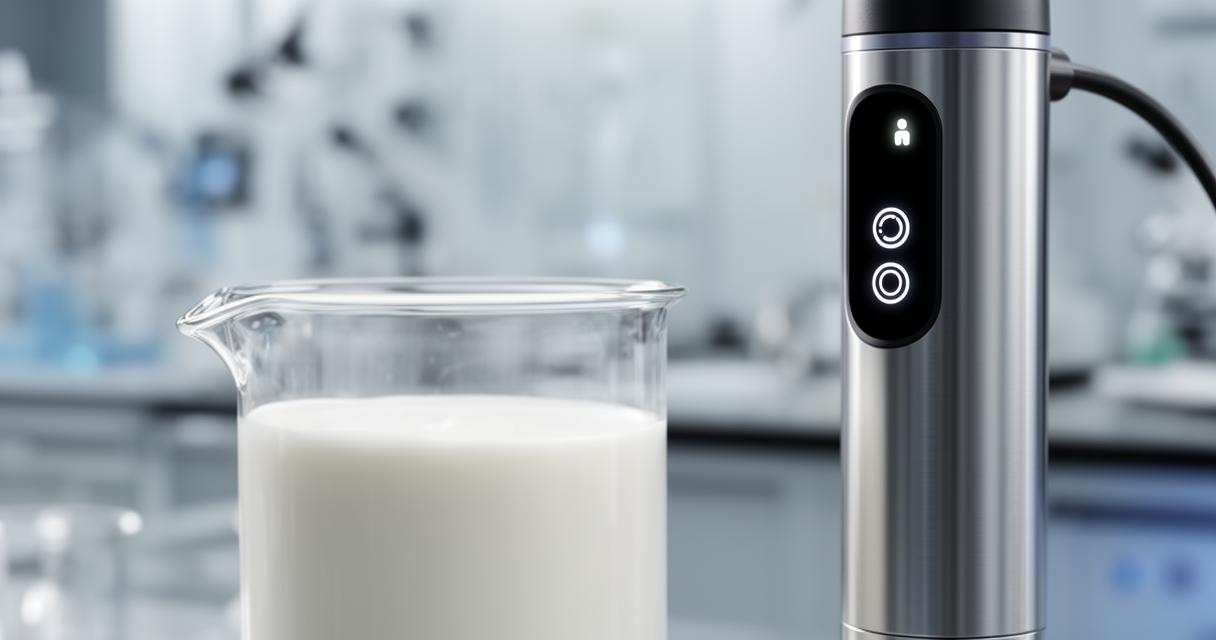
KitchenAid has long been synonymous with reliable stand mixers, celebrated for their powerful motors and extensive range of attachments that cater to every conceivable kitchen task. Their machines are built to endure years of intensive use, making them a favourite among both home cooks and professional chefs. Bamix, a Swiss brand renowned for its immersion blenders, distinguishes itself through precision engineering and a focus on durability. These devices are often lauded for their ergonomic handles and versatile blade options, which adapt seamlessly to different ingredients and textures. Braun brings German ingenuity to the immersion blender market, offering models that balance affordability with robust performance. Their appliances typically feature variable speed controls and ergonomic designs that reduce hand fatigue during prolonged use. Moulinex, a trusted name across Europe, provides a range of mixers that emphasise practicality and value, making them accessible to cooks working within a budget without sacrificing essential features. Bosch rounds out this selection with a reputation for engineering excellence, delivering both stand mixers and immersion blenders that combine powerful motors with thoughtful design elements, such as quiet operation and intuitive controls. Each brand presents distinct advantages, so aligning their strengths with your specific needs will guide you toward the right choice.
Material Matters: Stainless Steel vs Glass Attachments and Essential Features
The Durability and Performance Benefits of Stainless Steel and Glass Components
Stainless steel attachments are celebrated for their resilience and longevity, resisting corrosion and retaining their lustre even after countless uses. This material withstands high temperatures and aggressive ingredients, making it ideal for blending hot soups or acidic dressings without risk of warping or discolouration. Stainless steel also offers a reassuring weight and solidity that communicates quality, and its smooth surface is generally easier to clean, as residues are less likely to cling stubbornly. Glass attachments, on the other hand, provide a different set of advantages. They are non-reactive, ensuring that no metallic taste or odour influences your emulsions, which is particularly important when working with delicate flavours. Glass is also transparent, allowing you to monitor the blending process at a glance and adjust your technique in real time. However, glass components can be heavier and more fragile, requiring careful handling to avoid chips or cracks. When weighing these materials, consider your cooking style, the types of ingredients you frequently work with, and how much importance you place on visual monitoring versus rugged durability.
Motor Power, Speed Settings, and Blade Quality: What to Look for When Investing
Motor power stands as one of the most critical factors in determining a mixer's capability to create smooth emulsions. Measured in watts, a higher power rating typically translates to more efficient blending, enabling the appliance to handle dense or resistant ingredients with ease. However, raw power alone does not guarantee success; variable speed settings provide the control necessary to start slowly and gradually increase intensity, preventing splashing and ensuring even incorporation. Look for mixers that offer at least several speed options, as this flexibility allows you to tailor the blending process to the specific demands of each recipe. Blade quality is equally vital, as sharp, well-designed blades cut through ingredients cleanly and maintain their edge over time. Stainless steel blades are the industry standard, prized for their strength and resistance to rust, but the geometry of the blade also matters. Blades with multiple cutting edges or serrated patterns can improve efficiency, breaking down ingredients more thoroughly and reducing the time needed to achieve a silky texture. When evaluating potential purchases, scrutinise these features closely, as they directly influence both the quality of your emulsions and the lifespan of your appliance.
Accessories can further enhance the versatility of your mixer, transforming it from a single-purpose tool into a multifunctional kitchen companion. Whisk attachments aerate ingredients, making them indispensable for creating light, fluffy emulsions such as whipped cream or meringue. Chopping bowls extend the utility of immersion blenders, enabling you to tackle tasks like mincing herbs or grinding nuts. Some models come with measuring beakers or specialised containers designed to optimise the blending process, reducing splatter and improving consistency. While these extras can add to the initial cost, they often represent a worthwhile investment if they align with your cooking habits. Price remains a significant consideration, particularly when balancing budget constraints against the desire for quality and durability. Premium brands command higher prices, but they typically offer superior construction, longer warranties, and more comprehensive customer support. Conversely, more affordable options can still deliver excellent performance, especially if you prioritise essential features over bells and whistles. By carefully assessing your needs and comparing the offerings from different manufacturers, you can identify a mixer that provides the best value for your specific circumstances, ensuring that your investment pays dividends in the form of reliable performance and culinary success for years to come.